Understanding the Multi-Tiered System of Supports (MTSS)
The Multi-Tiered System of Supports (MTSS) framework is revolutionizing the way educators approach classroom management and student behavior. At its core, MTSS is a proactive, data-driven approach that aims to identify and address student needs through a tiered model of support. This framework is designed to ensure that all students receive the level of support they require, from general classroom strategies to more intensive interventions. By implementing MTSS, schools create an inclusive and supportive environment where every student can thrive.
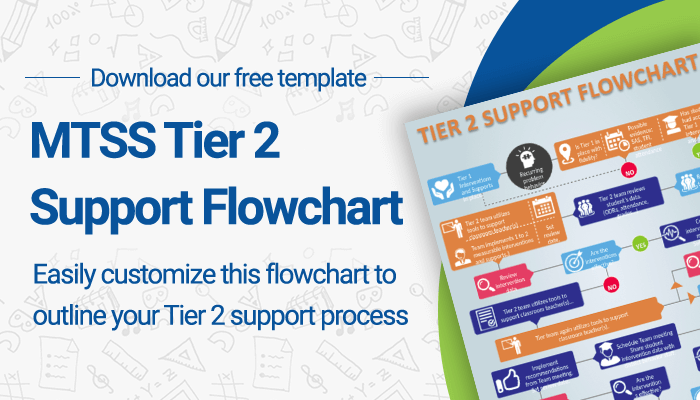
MTSS operates on multiple levels, or tiers, each offering varying degrees of intervention. The first tier focuses on universal strategies that benefit all students, while the second tier provides targeted support for those who exhibit some behavioral challenges. The third tier is reserved for students who require intensive, individualized interventions. This structured approach allows educators to tailor their methods to the specific needs of each student, thereby promoting a more positive and productive classroom environment.
Addressing Classroom Behavior Challenges Proactively
Classroom behavior issues are a common challenge faced by educators, often disrupting the learning environment and affecting both the student exhibiting the behavior and their peers. MTSS offers a systematic approach to proactively address these challenges before they escalate. By using data-driven insights and evidence-based strategies, teachers can effectively identify early signs of behavioral issues and apply appropriate interventions.
The proactive nature of MTSS ensures that educators are not merely reacting to problems as they arise but are instead anticipating potential issues and implementing preventative measures. This shift from a reactive to a proactive approach empowers teachers to manage behaviors more effectively, reducing the frequency and severity of disruptions and fostering a more harmonious classroom dynamic.
Incorporating Evidence-Based Strategies for Better Outcomes
One of the key strengths of the MTSS framework is its reliance on evidence-based strategies to improve student behavior and academic outcomes. These strategies are grounded in research and have been proven effective across diverse educational settings. By integrating these practices into their teaching, educators can enhance student engagement and minimize behavioral issues.
Evidence-based strategies within MTSS include positive reinforcement, structured routines, and social-emotional learning (SEL) skills development. These methods not only address immediate behavioral concerns but also contribute to the overall development of students’ social and emotional competencies. As a result, students become more resilient, empathetic, and better equipped to navigate the challenges of both school and life.
The Role of Professional Development in MTSS
Professional development is a cornerstone of the MTSS framework, equipping educators with the knowledge and skills necessary to implement effective behavior management strategies. Continuous learning opportunities ensure that teachers stay abreast of the latest research and practices in behavior management, enabling them to refine their approaches and improve student outcomes.
Through workshops, webinars, and other professional development resources, educators can gain insights into the most effective methods for managing classroom behavior. This ongoing training not only enhances teachers’ confidence in handling challenging situations but also fosters a culture of continuous improvement within the school community. As a result, both teachers and students benefit from a more supportive and structured learning environment.
Utilizing Insights to Behavior for Effective Interventions
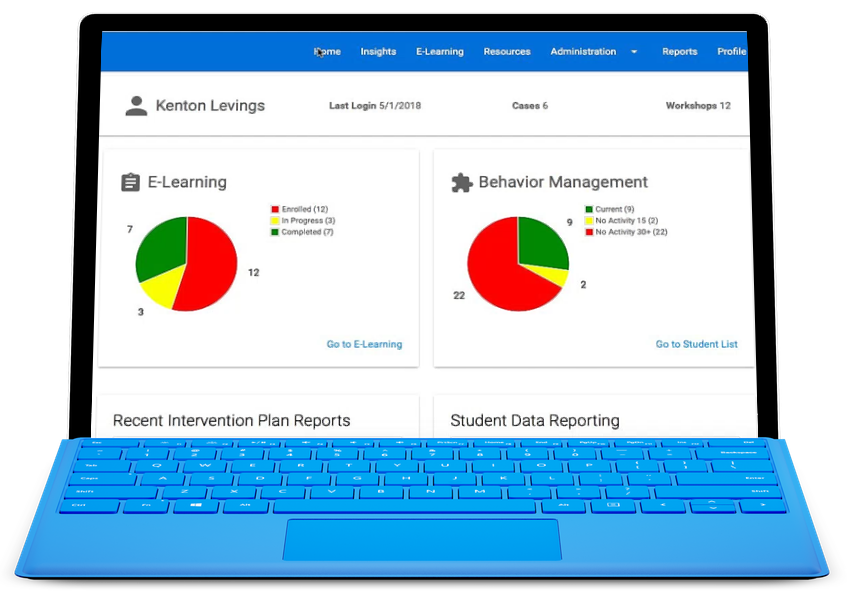
Insights to Behavior is a leading resource within the MTSS framework that supports educators in implementing effective behavior interventions across all three tiers. This comprehensive platform provides a wealth of tools and resources, including behavior intervention plans and research-based strategies, to help teachers address behavioral challenges effectively.
With access to over 200 strategies and 100+ interactive professional development workshops, educators can tailor their interventions to meet the unique needs of their students. By applying proven, evidence-based methods in their classrooms, teachers can improve student behavior and foster a more positive learning experience. The integration of Insights to Behavior within the MTSS framework ensures that educators have the support they need to create a thriving educational environment.
Creating an Inclusive and Supportive Classroom Environment
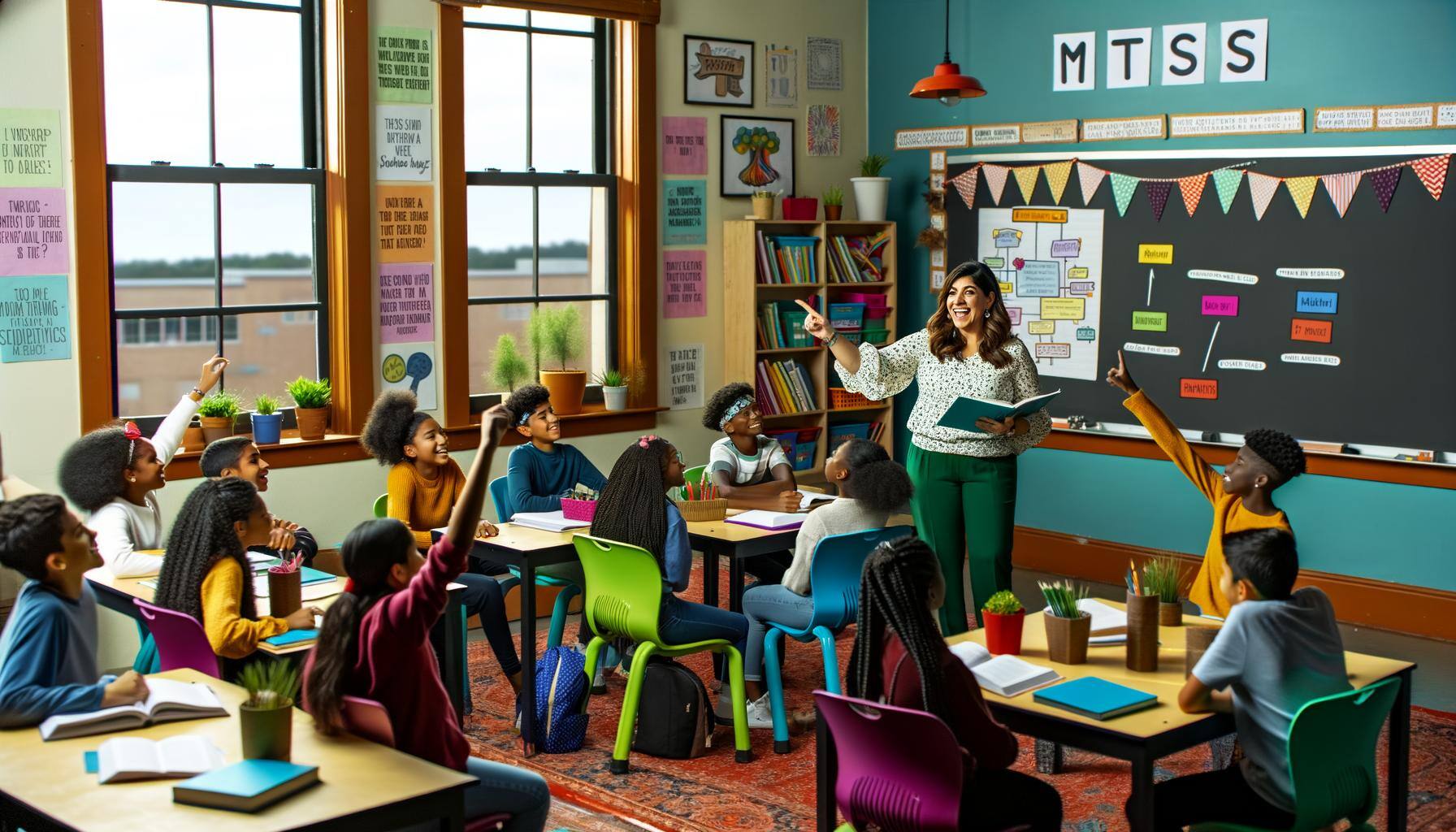
The ultimate goal of the MTSS framework is to create an inclusive and supportive classroom environment where all students feel valued and empowered to succeed. By addressing behavior challenges proactively and implementing evidence-based strategies, educators can cultivate a positive school culture that promotes both academic and social-emotional growth.
An inclusive classroom environment not only benefits students with behavioral challenges but also enhances the overall learning experience for all students. By fostering a sense of belonging and respect, teachers can encourage collaboration, empathy, and mutual support among their students. This holistic approach to education ensures that every student has the opportunity to reach their full potential, paving the way for a brighter future.
In conclusion, the MTSS framework offers a transformative approach to classroom management and student behavior. By integrating proactive strategies, continuous professional development, and comprehensive resources like Insights to Behavior, educators can create a more inclusive and supportive learning environment. This combination of targeted interventions and professional growth equips teachers to manage behavior effectively, leading to improved outcomes for all students.