
When a district supports students across multiple schools, Behavior Intervention Plans often end up scattered across spreadsheets, shared drives, and paper files. Each campus may follow a different process for creating a BIP, and the staff responsible for implementation may not have easy access to the plan itself. The result: inconsistent documentation, uneven follow-through, and limited ability to connect behavior management data back to the strategies outlined in the plan.
A standardized, digital BIP workflow can close those gaps. Below is a practical, step-by-step approach your district can adopt to build, implement, and review Behavior Intervention Plans consistently across every school.
Key Takeaways: How Districts Standardize Digital BIP Workflows
- Scattered documents and inconsistent processes make district-wide BIP management difficult for special education teams.
- A clear workflow from FBA through BIP review keeps every campus aligned on expectations and procedures.
- Shared digital templates help staff create research-based plans faster and reduce duplication of effort.
- Connecting implementation data directly to the BIP makes progress monitoring and plan adjustments more efficient.
- Insights to Behavior gives districts a centralized platform for building, tracking, and reporting on BIPs across schools.
Why Scattered BIP Processes Create Problems for Districts
In many districts, the FBA lives in one document, the BIP in another, and implementation notes in a third location entirely. Staff at different schools may use different formats, different terminology, and different timelines for review. When a student transfers between campuses, the receiving team may not have immediate access to the current plan.
This fragmentation makes it harder to monitor whether behavior intervention plans are being implemented with fidelity. It also creates challenges for directors and coordinators who need to report on outcomes at a district level. According to guidance from the U.S. Department of Education (2024), each educator responsible for implementing a BIP should have access to, and an understanding of, the plan.
A Five-Step Workflow for District-Wide BIP Standardization
You can bring consistency to behavior intervention plan management by following a structured process from assessment through ongoing review.
Step 1: Collect FBA Data Using a Shared Protocol
Start with a district-approved process for conducting Functional Behavior Assessments. This means using a consistent method for recording antecedents, behaviors, and consequences across all campuses. When every school uses the same data collection approach, you can compare findings and identify patterns more accurately.
Step 2: Build the BIP from a Shared Template
Once the FBA is complete, move into plan development using a district-approved BIP template. A shared template ensures that every plan includes the required components: an operational definition of behavior, the identified function, research-based replacement behaviors, and a measurable goal. This reduces variability and supports legally-defensible documentation.
Step 3: Assign Staff Responsibilities Clearly
Each BIP should spell out who is responsible for which part of the intervention. That includes the classroom teacher, the behavior specialist, related service providers, and any paraprofessionals involved. When roles are defined up front, implementation fidelity improves because every team member knows what is expected of them.
Step 4: Record Behavior and Implementation Data
Data collection should not stop once the BIP is written. Staff need a simple, accessible way to record both student behavior data and whether the plan’s strategies are being carried out as designed. Connecting this data directly to the plan allows teams to see at a glance whether the intervention is being applied consistently and whether the student is making progress.
Step 5: Review Results and Adjust Support
Schedule regular review cycles to evaluate each BIP’s effectiveness. Use your collected data to determine whether replacement behaviors are increasing, whether the intervention is being implemented as planned, and whether the goal needs to be updated. This review loop is what turns a static document into a living plan that adapts to student needs.
How a Digital System Supports This Workflow
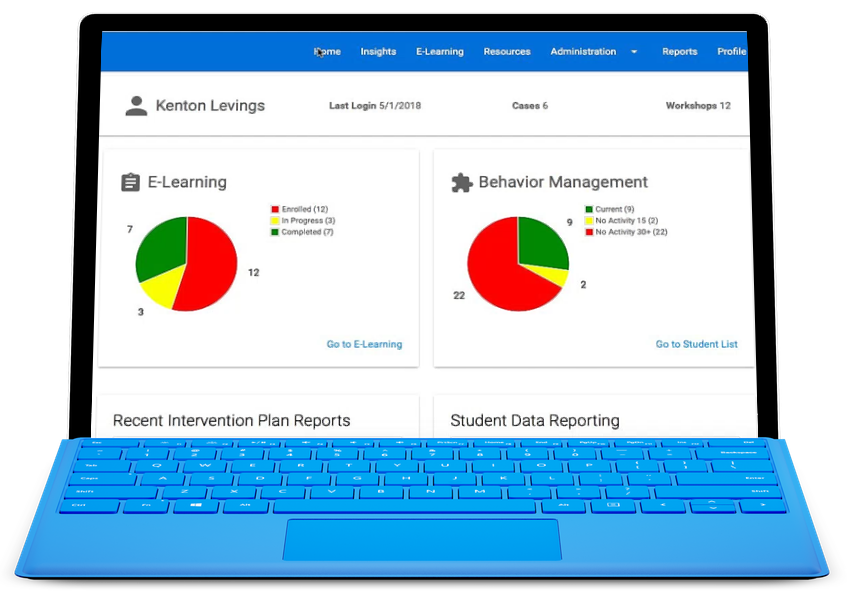
A digital platform can help your district move from isolated documents to a connected workflow. Shared templates ensure consistency, and role-based access keeps the plan visible to every authorized team member. Reporting tools let administrators track implementation across schools, and professional development resources can be linked directly to the workflow so staff stay current on research-based strategies.
Insights to Behavior is one platform designed specifically for this purpose. It supports the full workflow described above, from FBA through BIP creation and ongoing data collection, in a centralized system built for K-12 districts. If you are looking for a way to standardize your district’s process, you can schedule a demo to see how the platform works.
Quick Checklist for District BIP Standardization
- Adopt a single, district-approved FBA data collection protocol.
- Create a shared BIP template with all required plan components.
- Define staff roles and responsibilities for each plan.
- Establish a system for recording behavior and implementation data.
- Set a regular schedule for BIP review and adjustment.
- Use a digital platform to centralize access and reporting.
Building a Consistent BIP Process Across Your District
Standardizing your BIP workflow is a practical step toward more consistent student support. When every school follows the same process, collects the same types of data, and uses the same templates, your district can identify what is working, address what is not, and make data-driven decisions that improve outcomes for students. The tools and structure exist to make this achievable for your team.